tick life cycle cdc
Sincere thanks are given to the companies government organizations foundations and individuals for permission to use their photographs or illustrations and federal. Life Cycle of Ticks Courtesy of CDC.

Ticks Cdc Southeastern Center Of Excellence In Vector Borne Diseases
It is important to remove a tick as soon as possible so it does not cause infection.

. The Blacklegged tick otherwise known as the Deer tick has a typical lifespan of two years. Number 5May 2018 Identification of Wild BoarHabitat Epidemiologic Cycle in African Swine. Fastest lab results guaranteed.
Ad Test your tick for Lyme disease. Depending on the species ticks can live for up to three years during which they go through four distinct life stages. Depending on the species ticks can live for up to three years during which they go through four distinct life stages.
The Life Cycle of a Blacklegged Deer Tick Stage 1. The Life Span of a Tick. Different species of ticks also may use different hosts or the same type of host for their blood meals in between life stages.
Links with this icon indicate that you are leaving the CDC website. The CDCs tick identification chart can help to identify ticks you find on yourself or your pet. Egg larva nymph and adult.
Tick eggs are often laid in the spring after female ticks complete their two to three-year life span. The Life Cycle Of A Tick Diagram. Ticks can become infected with the bacteria.
The CDC reports that depending on the type of tick and the amount of time between stages their lifespan can range from three months to two years. The life cycle of ixodid ticks is remarkably uniform throughout the family. This diagram shows the life cycle of blacklegged ticks that can transmit anaplasmosis babesiosis and Lyme disease April 20 2017.
CDC is not responsible for Section 508 compliance accessibility on other federal or private websites. After removing the tick disinfect the bite site and wash hands with soap and water. Do not twist or jerk.
Linking to a non-federal website does not constitute an endorsement by CDC or any of its employees of the sponsors or the information and products presented on the website. Black-legged tick adult. While ticks need to detach before laying eggs and therefore cant lay eggs.
Find articles about Tick from the Emerging Infectious Diseases journal at CDC. Males normally die after mating and a female will die after laying her eggs. After removing the tick disinfect the bite site and wash hands with soap and water.
Magnarelli also provided invaluable editorial and review comments for this revised edition. Several species of ticks are known to bite people and pets and may harbor dangerous bacteria viruses or. In most species each active stage seeks a host feeds and drops off to develop in the natural environment Three-host life cycle.
All ixodid ticks are oviparous and have a single nymphal stage. Only in a few species fed juveniles remain and develop on the host. Division of Vector-Borne Diseases.
The Blacklegged tick otherwise known as the Deer tick has a typical lifespan of two years. Once the egg hatches a tick needs a blood meal at each stage in order to survive and continue to grow. Ticks are tiny parasitic spider-like creatures commonly found in woodland heathland and moorland areas.
Gently pull the tick upward with steady even pressure. For females in particular feeding is essential for reproducing and laying eggs. Tick life cycles vary depending on which tick species and where in the world the tick is found.
The Centers for Disease Control and Prevention CDC cannot attest to the accuracy of a non-federal website. Eggs six-legged larvae nymphs and adults. The life cycle of these ticks generally spans two years.
Most ticks in the Southeast are have four life stages. Males normally die after mating and a female will die after laying her eggs. The Deer Initiative Ticks Lyme Disease What are Ticks.
Grasp the tick as closely to the skin as possible using a tweezers. One tick can lay thousands of eggs. They feed mainly on the blood of mammals especially sheep or deer and birds but may also feed on humans.
Each life stage feeds on a host before progressing to the next stage or laying eggs for the adult female. The blacklegged tick life cycle is two years long and consists of three life stages larva nymph and adult. Eggs are often brown and red in color and appear to be translucent.
By National Center for Emerging and Zoonotic Infectious Diseases US. Graphic assistance on the authors tick life cycle diagrams. Ticks transmit a variety of different pathogens including bacteria protozoa and viruses which can produce serious and even fatal disease in humans and animals.
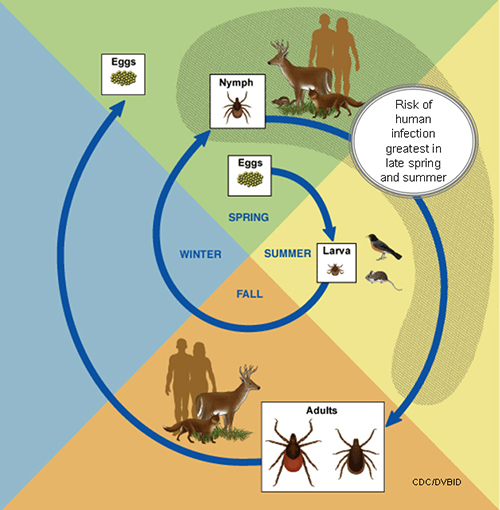
This Diagram Shows The Life Cycle Of Blacklegged Ticks That Can Transmit Anaplasmosis Babesiosis And Lyme

Pathogen Life Cycle
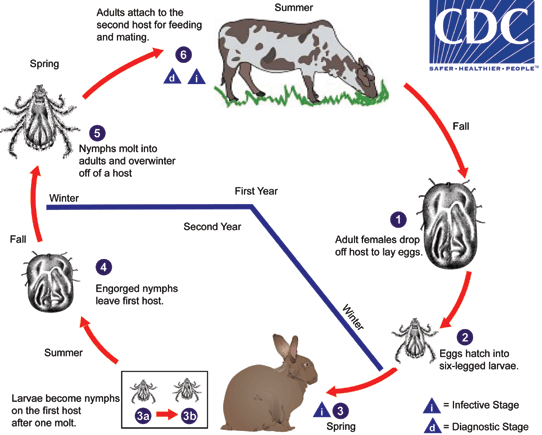
Cdc Dpdx Ticks
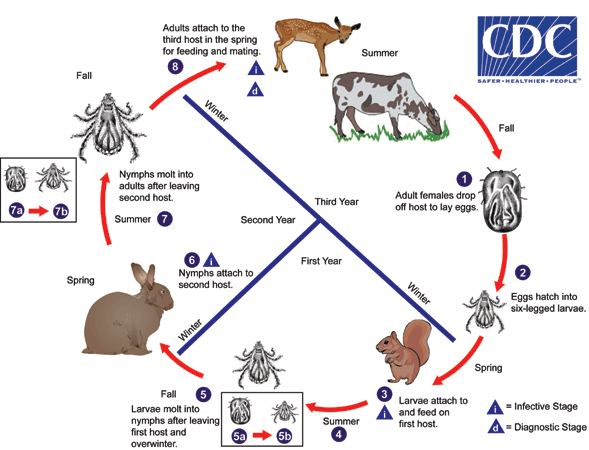
Cdc Dpdx Ticks
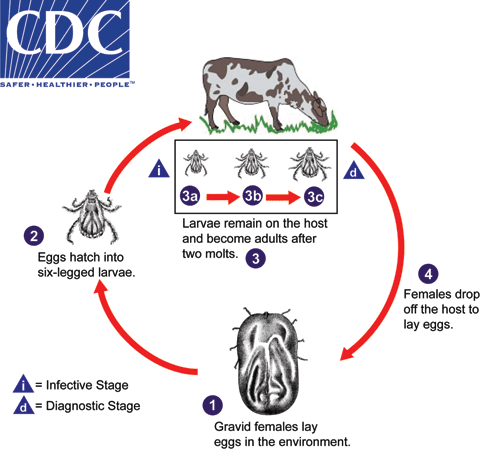
Cdc Dpdx Ticks
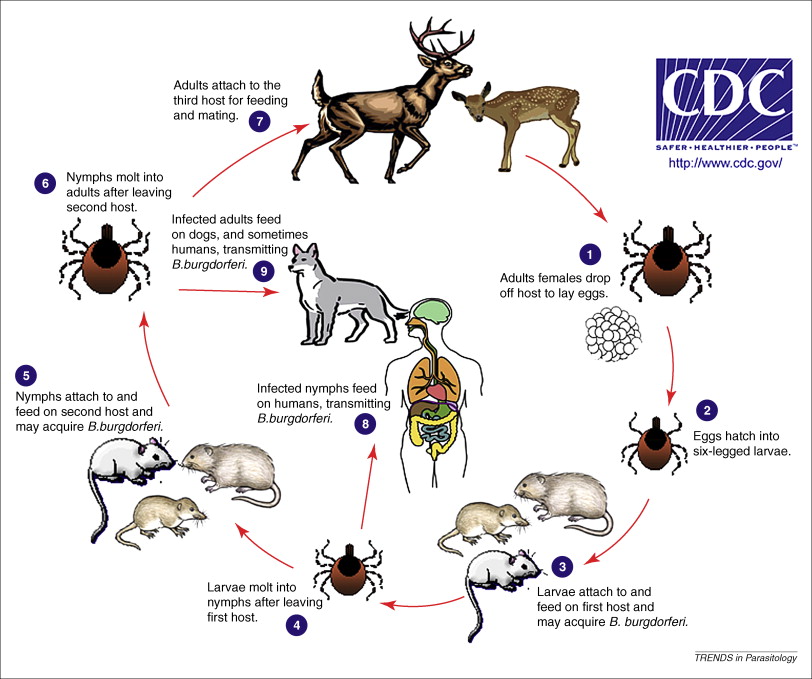
Tick Control Lyme Disease
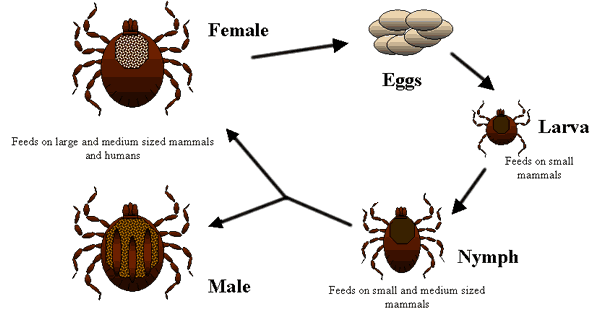
Arthropods Ticks
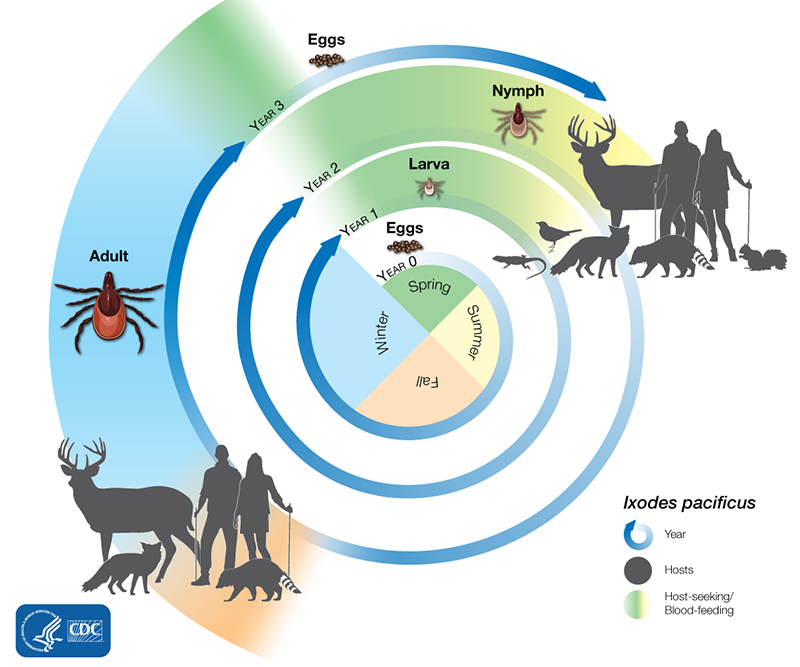
Colorado Tick Borne Disease Awareness Association Cotbdaa Education Prevention Research And Advocacy What Is A Tick

Ticks Cdc Southeastern Center Of Excellence In Vector Borne Diseases

Ticks Cdc Southeastern Center Of Excellence In Vector Borne Diseases
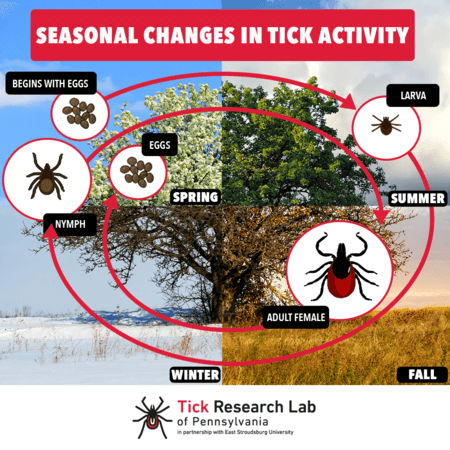
The Tick Lifecycle Lyme Tick Borne Disease Testing Statistics
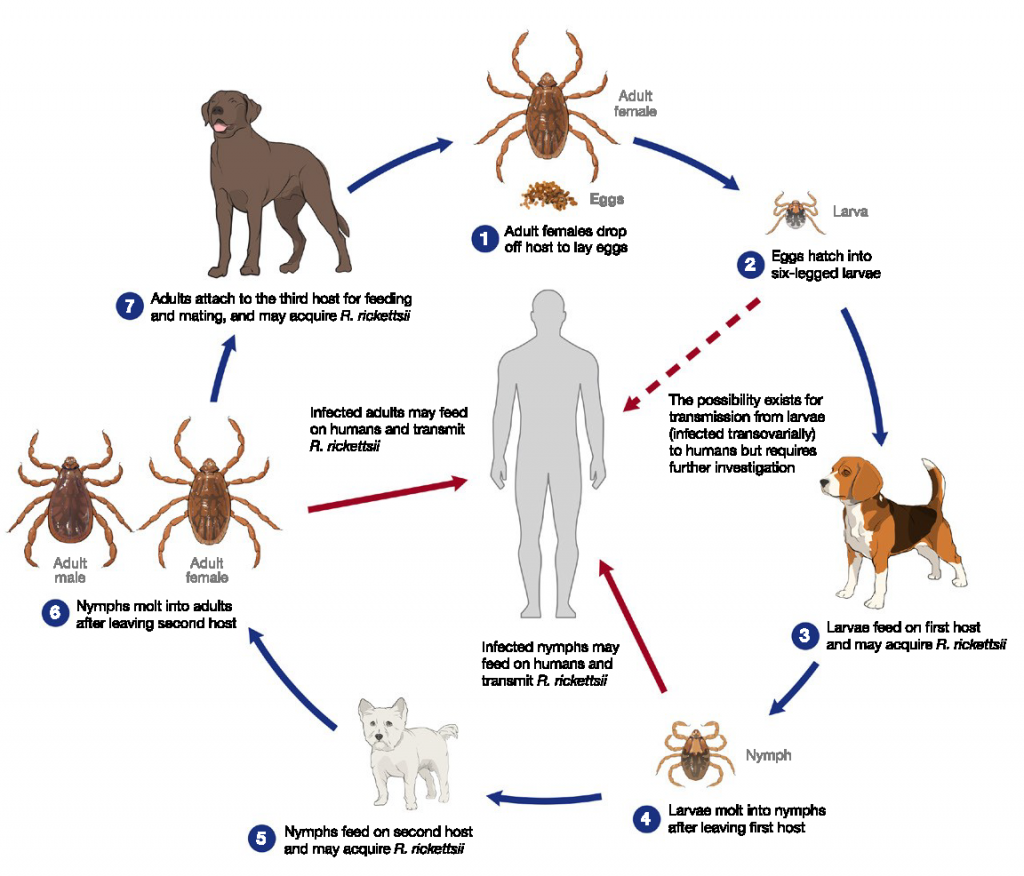
Hard Ticks
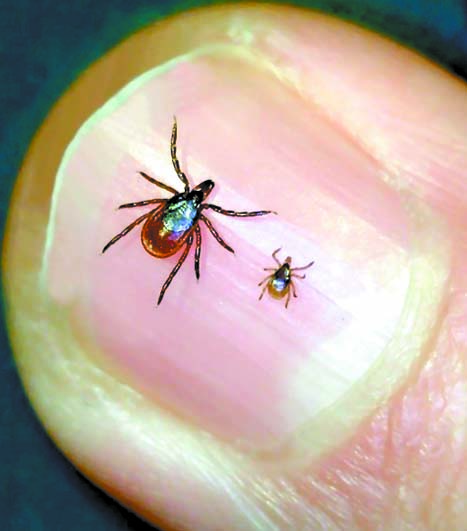
Cdc Does Tick Check With County Residents The Bridgton News
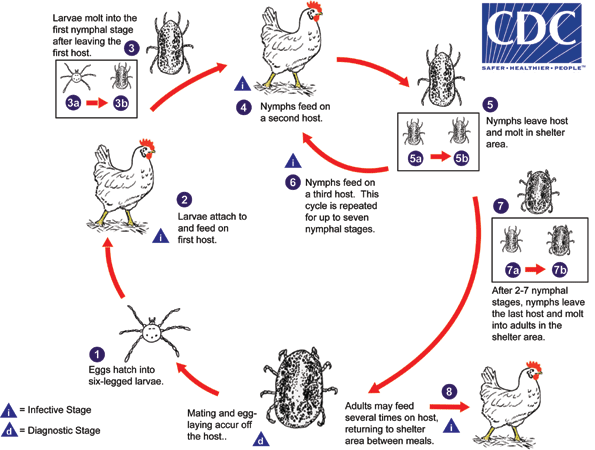
Cdc Dpdx Ticks

Tickborne Diseases For Aprns Nursing Ce Course Nursingce

Asian Longhorned Tick

Breaking The Tick Lifecycle

Tick Ecology Lyme Mcw
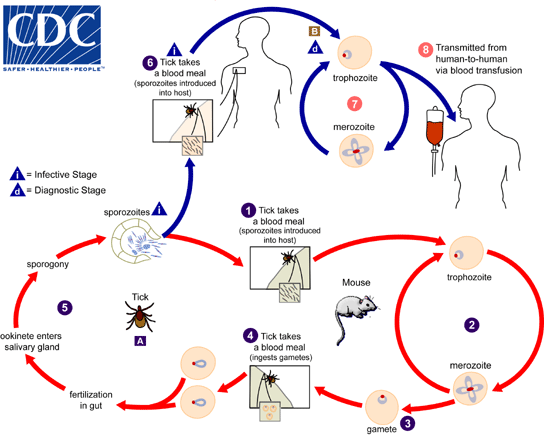
Cdc Babesiosis Biology